SDB System

Soil remediation without excavation.

Decades of oil and hydrocarbon handling leave contamination in soil and groundwater around substations, depots and industrial sites. The SDB System applies the same biological principle as the ODB System — bacteria selected for hydrocarbon biodegradation — directly into contaminated soil, avoiding costly dig-and-haul remediation.

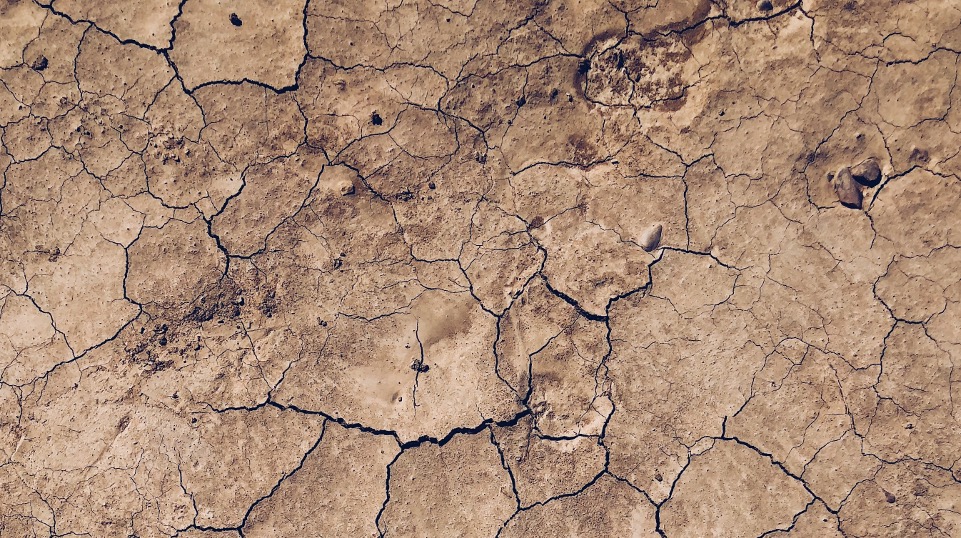
Cracked and dried hydrocarbon-contaminated soil at a legacy industrial site
Legacy soil contamination — decades of hydrocarbon seepage leave cracked, impermeable ground around substations and depots. This is the standing contamination the SDB System treats in situ, without excavation.
How it works

Four phases, delivered on your site.

  1. 01

    Site profiling

    Contaminant mapping across the soil column and groundwater to design an injection plan matched to the site's hydrocarbon fingerprint.

  2. 02

    Bacterial injection

    Cultures selected for hydrocarbon biodegradation are introduced directly into the contaminated zones via wells, lances or surface application.

  3. 03

    In-situ biodegradation

    Bacteria metabolize the hydrocarbons over successive cycles. No excavation, no material haulage, no landfill.

  4. 04

    Verification

    Groundwater and soil sampling confirm treatment endpoints and produce the compliance documentation your site needs.

The biotechnology

A consortium built for your site.

0+
years of research, development and applied projects behind the system
0
risk class of every bacterium used — zero risk to humans and the environment

The SDB System is a biotechnological approach to the in-situ and ex-situ treatment of polluted sites and soils. Depending on the specific characteristics of a site, a consortium of bacteria is composed to ensure the metabolic degradation of the micropollutants present.

Every bacterium used belongs to risk class 1 — zero risk to humans and the environment according to international guidelines. Decontamination therefore rests on a natural process that is completely environmentally friendly, with no chemical additives introduced into the ground.

Approach 01

Bioaugmentation

A consortium of microorganisms, selected specifically for its biodegradation capacity, is introduced into the contaminated soil. These microorganisms belong exclusively to risk class 1 — zero or negligible risk under the classification of Directive 2000/54/EC of 18 September 2000 on the protection of workers from risks related to exposure to biological agents at work. They are supplemented with nutrients and fertilisers that promote their biological activity.

Approach 02

Biostimulation

Where capable microorganisms are already present, the physical and chemical conditions of the soil are optimised to maximise their activity. Adjusting the carbon/nitrogen ratio and adding nutrients accelerates the biodegradation process — no new organisms required.

Where it applies

Every site where hydrocarbons have been handled.

Substations

Legacy oil leaks and long-term seepage around transformer bays and cable trenches.

Depots & yards

Diesel, lubricant and fuel-oil contamination from decades of vehicle and equipment operations.

Legacy industrial land

Historic hydrocarbon handling on operational or decommissioned industrial parcels.

Brownfield sites

Contamination that stands between a parcel and its next commercial use.

Field references

Four sites, measured before and after.

Every programme is documented with laboratory analysis of hydrocarbons C10–C40 on dry matter (DM), sampled before treatment and at defined intervals until the site target is met. The projects below were delivered in situ — no soil was excavated or hauled away.

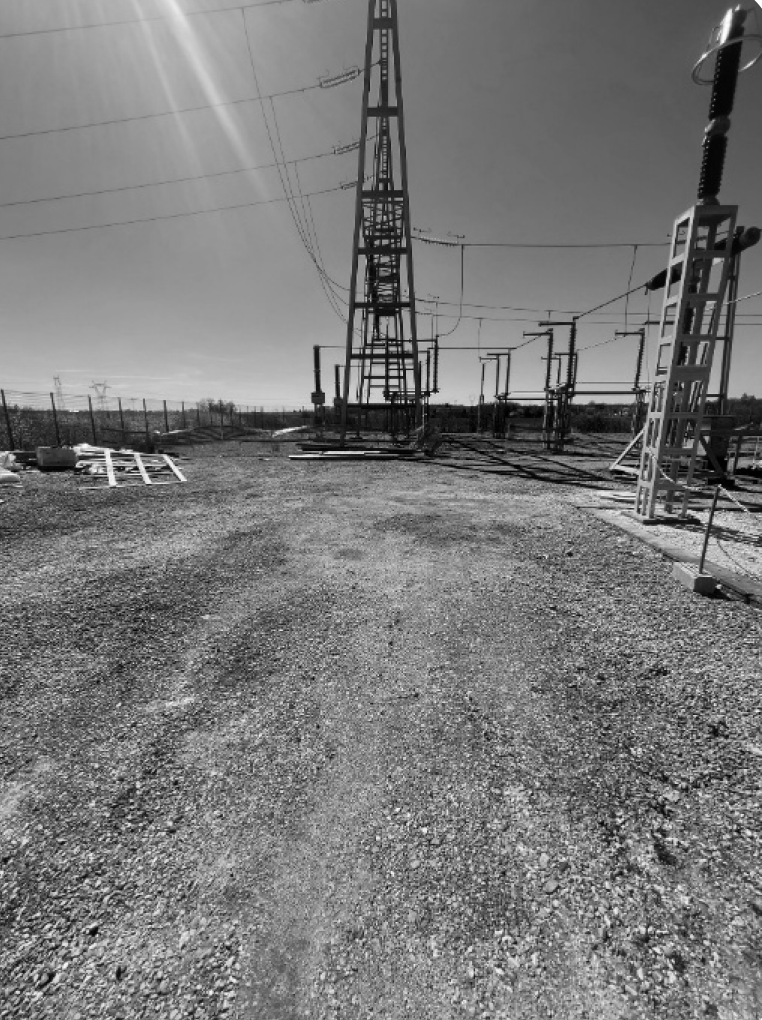
Gravel surface inside a high-voltage substation compound treated by surface bioremediation
Seine-et-Marne (77), France

Dielectric-oil spill on a transformer bay

Synthetic dielectric oil released after an incident on an electrical transformer, plus accidental spills across the gravel compound. Treated in situ, surface bioremediation.

Pollutants
Dielectric oil — hydrocarbons C10–C40
Soil type
Gravel and minerals, low organic content
Surface / volume
1 000 m² — 200 m³
Depth
0–20 cm below surface
Initial concentration
up to 5 400 mg/kg DM
Final concentration
272 mg/kg DM
0%
hydrocarbon reduction in 8 months
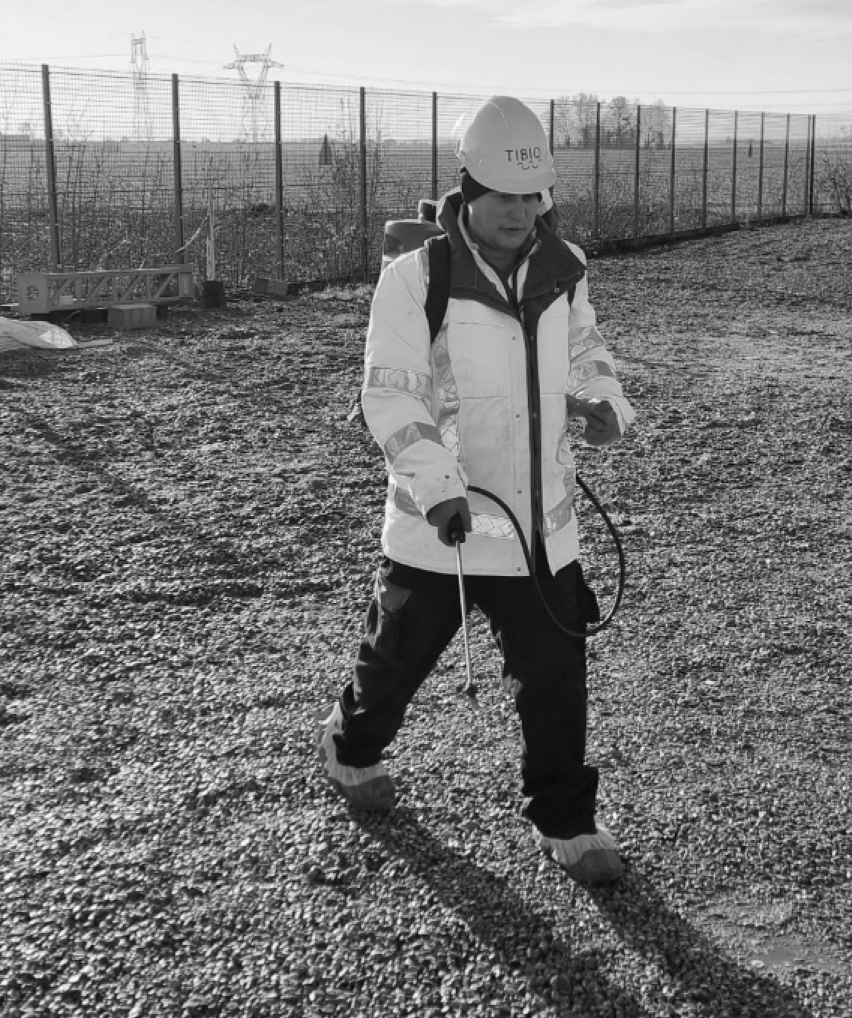
bionrec technician applying bacterial solution by backpack sprayer across a substation gravel surface
Bouches-du-Rhône (13), France

Hydraulic-oil leak at an electrical substation

Hydraulic oil released by a site machine over concrete, bitumen and earth structures. Bacterial cultures applied to the surface without lifting the hardstanding.

Pollutants
Oil — hydrocarbons C10–C40
Soil type
Concrete, bitumen and earth structures
Surface / volume
250 m² — 50 m³
Depth
0–20 cm below surface
Initial concentration
up to 6 400 mg/kg DM
After 6 months
830 mg/kg DM
0%
reduction after 6 months — treatment ongoing
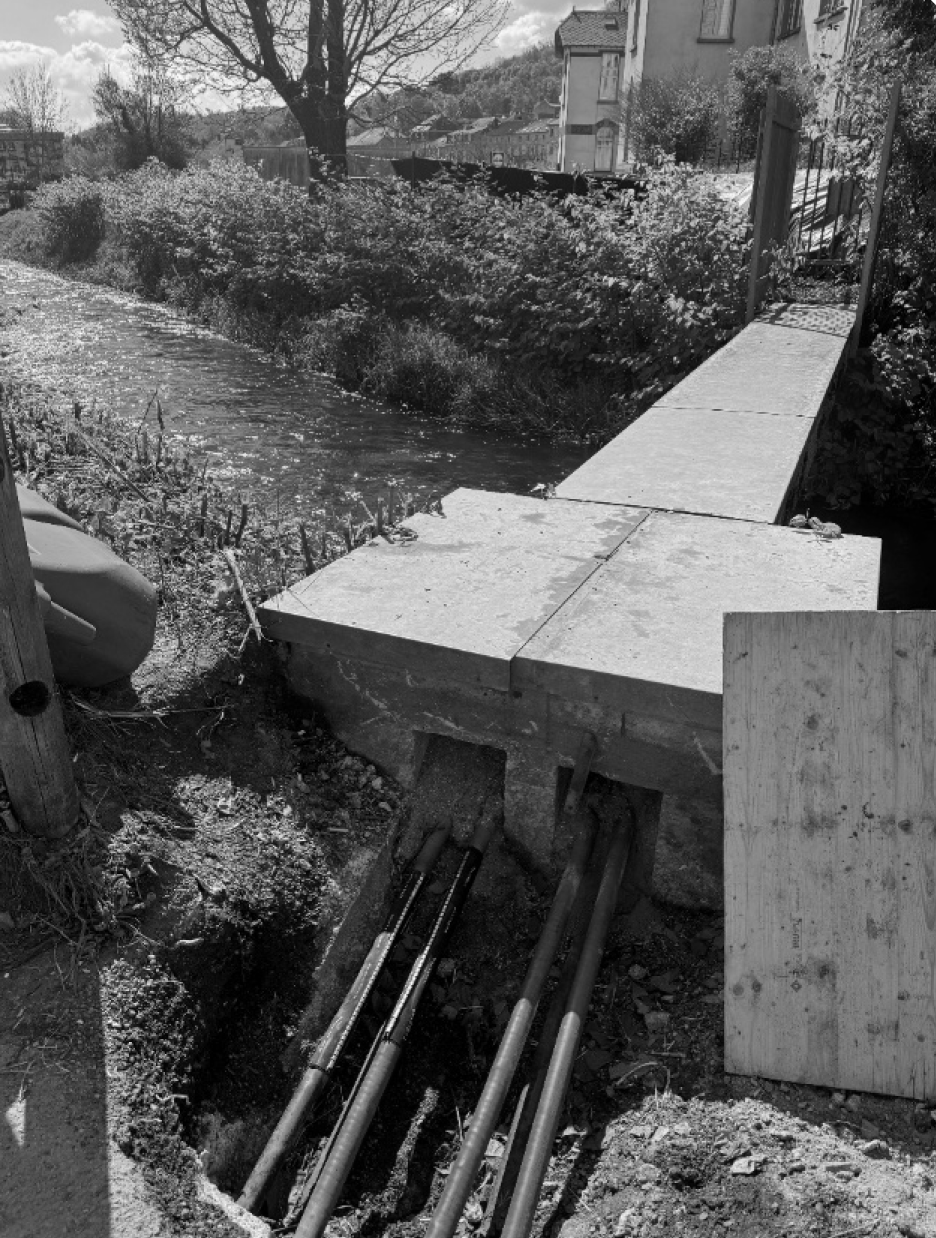
Excavated cable trench beside a watercourse where a dielectric-oil leak was treated preventively
Moselle (57), France

Preventive treatment beside a watercourse

An underground link damaged during third-party excavation leaked dielectric oil close to a watercourse. Bioremediation was applied preventively before the contamination could spread.

Pollutants
Dielectric oil — hydrocarbons C10–C40
Soil type
Soil, sand
Surface / volume
< 25 m² — < 5 m³
Depth
0–20 cm
Initial concentration
135 mg/kg DM
Final concentration
28 mg/kg DM
0
months to clear the target of < 500 mg/kg DM
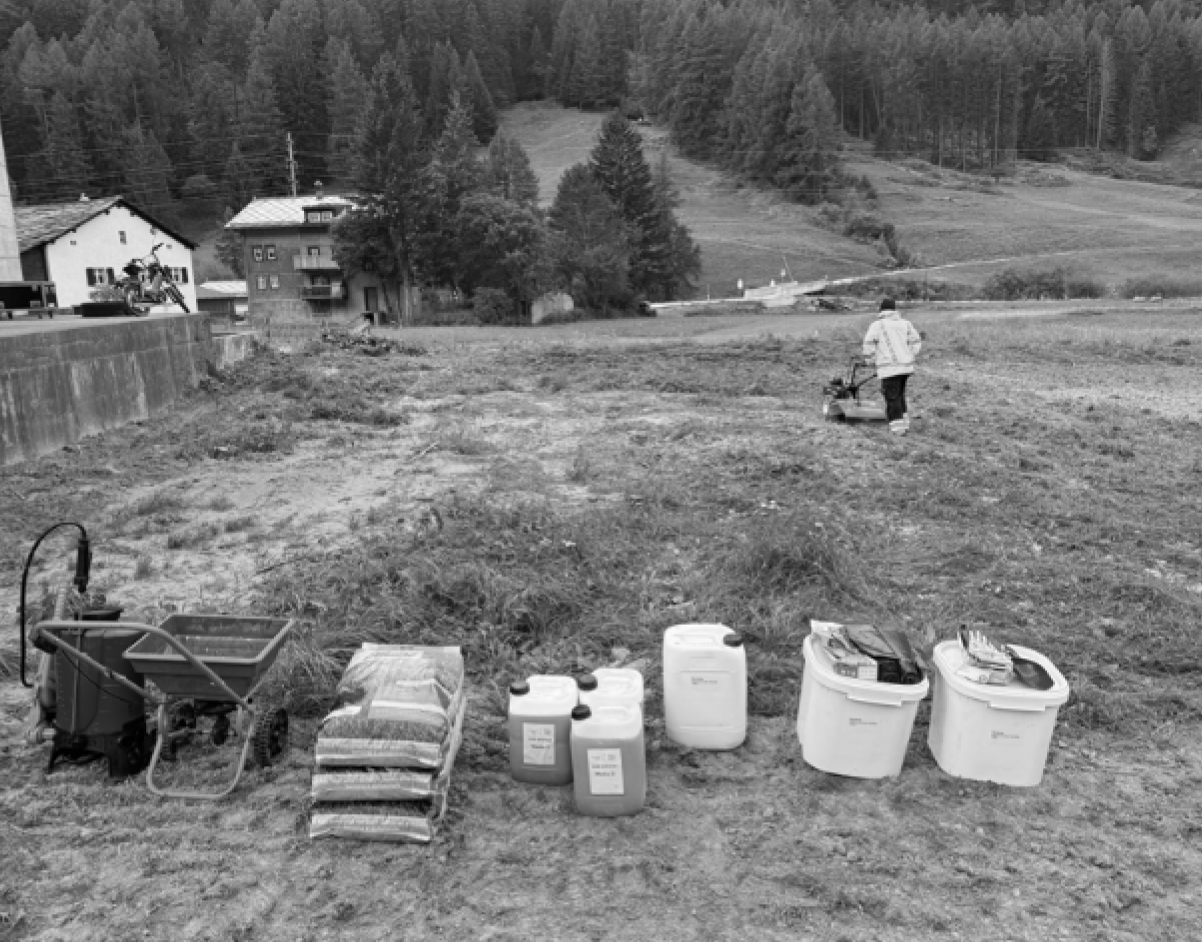
Bioremediation dosing equipment and bacterial solution containers laid out on an alpine plot at 1 550 m altitude
Canton of Valais, Swiss Alps — 1 550 m

Fuel-oil spill across private plots after flooding

Flooding of a nearby river carried fuel oil onto several private plots. Heterogeneous contamination to 40 cm depth was treated in place, with no soil removed from the valley.

Pollutants
Fuel oil — hydrocarbons C10–C40
Soil type
Soil
Surface / volume
906 m² — 291 m³
Depth
0–40 cm, heterogeneous
Initial concentration
up to 1 300 mg/kg DM
Final concentration
< 50 mg/kg DM
0%
reduction over 12 months, target < 50 mg/kg DM
Environmental profile

A biological process — start to finish.

0
toxic chemicals added to soil or groundwater
0
environmental pollutants produced by the process

The bacteria consume hydrocarbons and produce water, CO₂ and biomass. There is no additional waste stream to ship, treat or landfill.

FAQ

SDB System, answered.

No. Bacteria are delivered directly into the soil column and groundwater via surface application or injection wells — surface structures, roads and hardstanding stay intact.

Have a site or a cable that needs to come clean? Tell us the scope — we'll tell you the timeline.